L’histoire du tube international
« Pop Corn » (Vidéo.)
Popcorn est une composition musicale, premier véritable succès de la musique électronique devenu un standard. Elle est écrite en 1969 par l’auteur-compositeur et instrumentiste germano-américain Gershon Kingsley.
Les deux mesures staccato de six croches suivies d’une noire chacune, extrêmement simples, sont reprises indéfiniment à différentes hauteurs, sans autre développement. L’auteur — un Juif allemand ayant fui la Shoah et ayant vécu dans sa jeunesse en Palestine avant de rejoindre ses parents à New York — les a conçues comme un thème bachien exacerbé par le synthétiseur pour évoquer une société de consommation et une modernité heureuses.
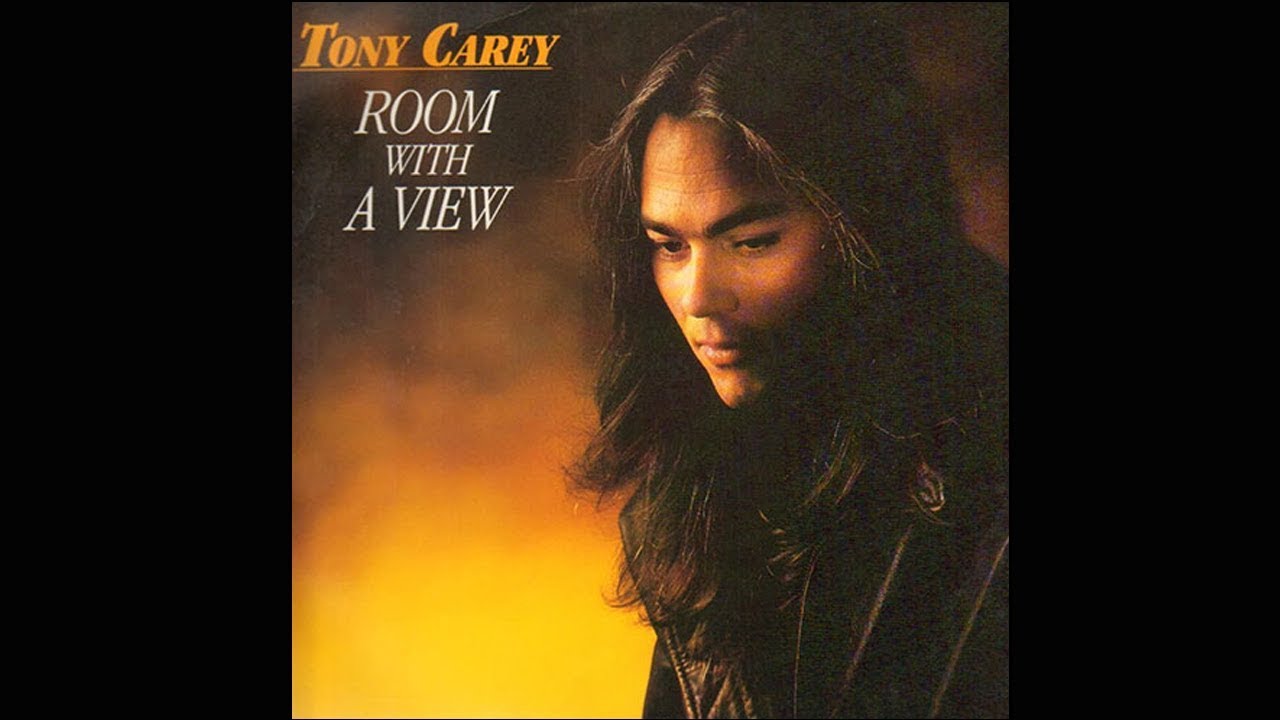
Anthony Lawrence Carey (né le 16 octobre 1953 à Watsonville, Californie) est un musicien, compositeur, producteur et auteur-compositeur-interprète américain d’origine européenne. L’une de ses premières expériences musicales a été en tant que claviériste pour Rainbow. Après son départ en 1977, il a commencé une carrière solo, sortant des albums sous son propre nom également sous le pseudonyme de Planet P Project, et produisant et jouant avec d’autres artistes.
À 17 ans, Carey déménage à New Hampshire pour démarrer un nouveau groupe baptisé « Blessings » avec un chanteur qu’il connaissait, et très vite, le groupe signe un contrat avec le label ABC Dunhill. Après deux ans de travail sur le projet, le groupe n’a pas réussi à terminer son premier album. Dans une interview qu’il accorda en 2013, Carey évoqua son goût prononcé pour les filles, la consommation de drogue du producteur et «trop de conneries»; ce sont les raisons pour lesquelles l’album n’a jamais pu être terminé.
Nous l’écoutons ici avec un de ses plus beaux titres : « Room with a view »
Merci au label Metronome Music GMBH pour son aimable autorisation.
***** Tony Carey *****
« Room with a view »
Anthony Lawrence Carey (born October 16, 1953, Watsonville, California) is an American-born, European-based musician, composer, producer, and singer/songwriter. One of his earliest musical experiences was as a keyboardist for Rainbow. After his departure 1977, he began a solo career, releasing albums under his own name as well under the pseudonym Planet P Project, and producing for and performing with other artists.
At age 17, Carey moved to New Hampshire to start a new band called Blessings with a singer he knew, and soon the band had a major recording contract with ABC Dunhill. After two years of working on the project, the band was unable to complete its first album. In a 2013 interview, Carey listed his own involvement with girls, the producer’s drug use, and « too much bullshit » from Dunhill as the reasons the album was never completed.
We listen to him in one of his most beautiful songs: « Room with a view »
Many thanks to Metronome Music GMBH for the kind permission.
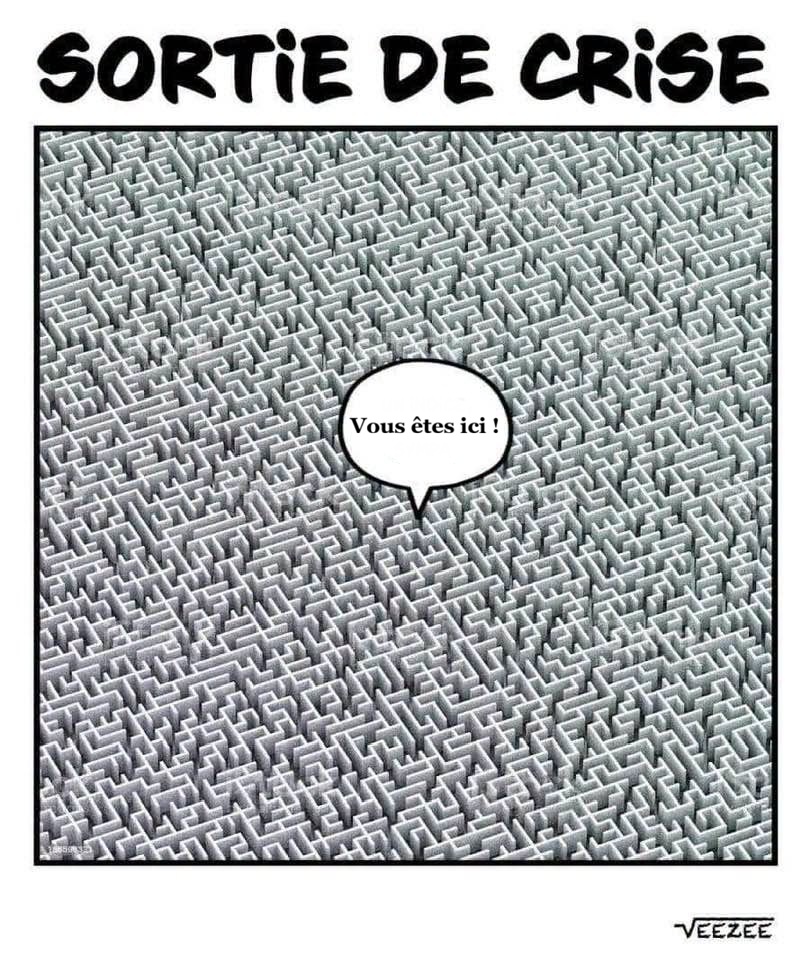
Toutes les crises vont converger vers une crise systémique.
Le tsunami qui nous vient dessus est inéluctable car à tous les niveaux nous avons été trop loin et lorsqu’il s’abattra sur l’humanité, celles et ceux qui n’y sont pas préparés s’ils ne disparaissent pas vivront un très mauvais quart d’heure.
In fine :
Par orgueil ou par lâcheté, le moutons est souvent plus enclin à donner foi en un mensonge qui rassure plutôt qu’en une vérité qui dérange ; un jour au l’autre il devra assumer…
Entre autres vidéos :
A complotiste complotiste et demi.
Enigma : « The eyes of thrue. »
Film « Complots » avec Mel Gibson.
Merci à Michael Cretu & Virgin group.
Complots synopsis :
Jerry Fletcher, chauffeur de taxi, est hante par des visions fugaces et effrayantes. Sillonnant les rues de New York, il entretient ses clients d’obscurs complots connus de lui seul. Tout le monde le prend pour un paranoiaque. Seule Alice, jeune procureur au ministere de la justice, qui vit en recluse depuis l’assassinat de son pere, accepte de l’ecouter…
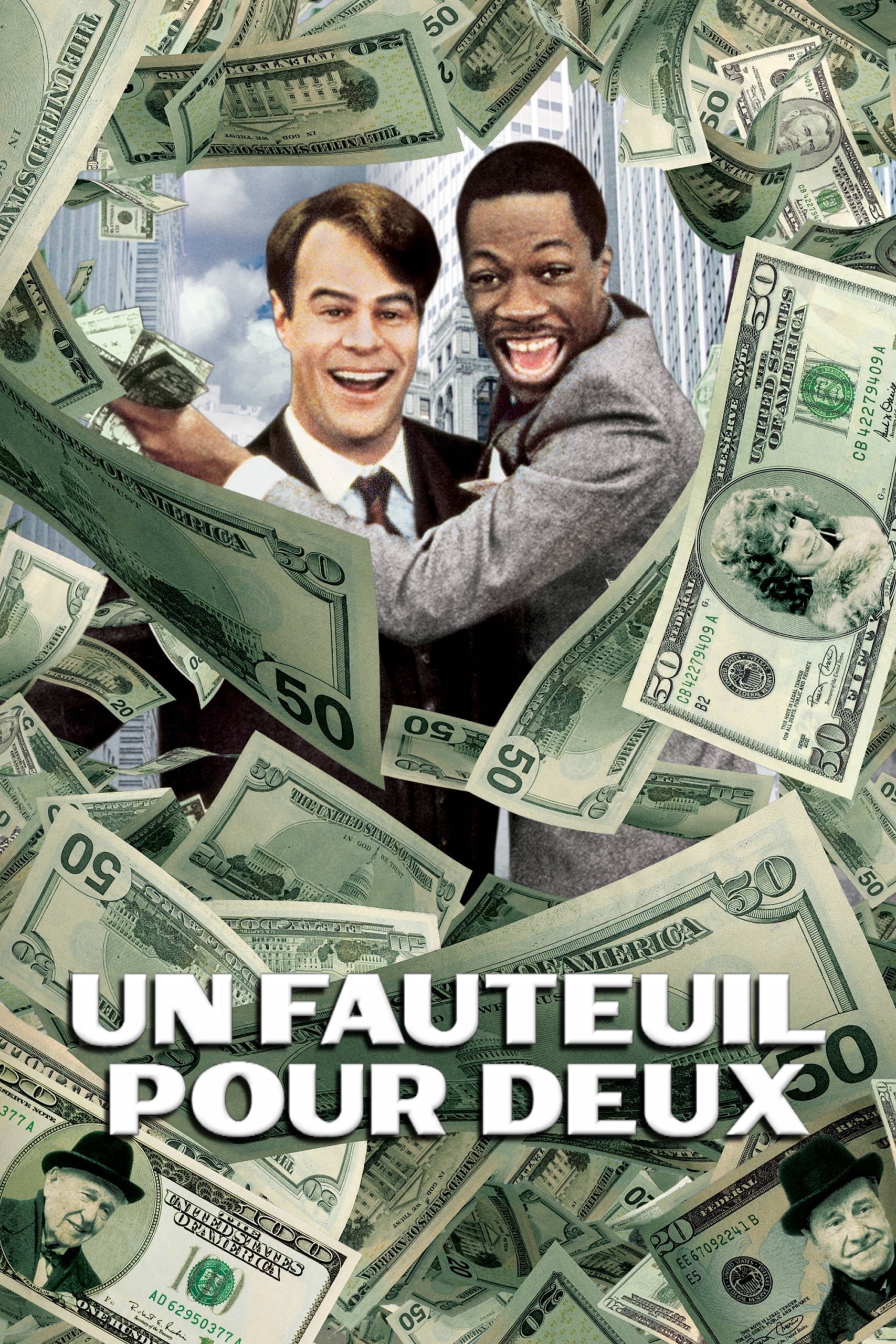
Un fauteuil pour deux (Trading Places) est un film américain réalisé par John Landis et sorti en 1983. Il raconte l’histoire d’un courtier en matières premières de la classe supérieure (Dan Aykroyd) et d’un pauvre arnaqueur de rue (Eddie Murphy) dont les vies s’inversent lorsqu’ils sont involontairement l’objet du pari de deux hommes d’affaires visant à tester la réaction des hommes lorsque leurs conditions de vie changent du tout au tout.
Synopsis :
D’un côté, Louis Winthorpe III, un jeune directeur, est chargé des investissements chez Duke & Duke, une puissante banque de Philadelphie. De l’autre, Billy Ray Valentine est un Noir combinard mais fauché. Tous deux vont faire l’objet d’un pari insensé, passé entre les patrons de Louis.
J’ai acheté mon premier téléphone portable au début des années 2000, dans le cadre d’une offre de l’opérateur Swisscom qui détenait alors le monopole des communications. Avec une formule prépayée, les appels, qu’ils soient émis ou reçus, étaient facturés. Aujourd’hui, l’émergence de la concurrence a changé la donne ; toutefois, la Suisse demeure l’un des pays les plus chers au monde dans ce domaine.
Technologie :
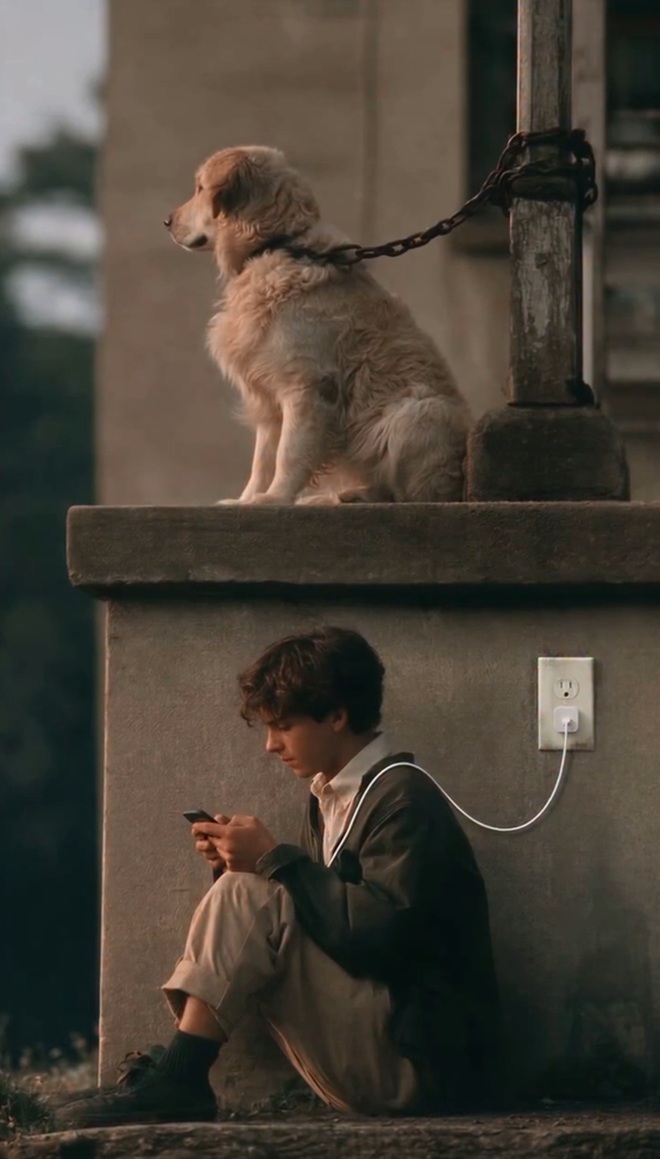
La vidéo que je vous propose démontre à quel point nos yeux rivés sur nos écrans nous font perdre le nord tout en nous empêchant de voir l’essentiel.
J’ai été choqué en voyant des cyclistes roulant sans tenir leur guidon tout en regardant leur portable ou des mamans plus soucieuses de leur écran que de leur enfant dans la poussette etc…
Il est bien loin le temps des aventures, des promenades en famille, des cabanes dans la forêt avec les copains et des joies toutes simples de la vie!
Musique vidéo :
Merci à Didier Marouani et à Vogue Records.
The lobotomized of the 21st century
I bought my first mobile phone in the early 2000s, as part of an offer from the operator Swisscom, which at the time held a monopoly on telecommunications. With a prepaid plan, both outgoing and incoming calls were charged. Today, the emergence of competition has changed the landscape; however, Switzerland remains one of the most expensive countries in the world in this sector.
Technology:
The video I am sharing with you demonstrates how having our eyes glued to our screens causes us to lose our bearings, while also preventing us from seeing what truly matters.
I was shocked to see cyclists riding without holding their handlebars while looking at their cell phones or mothers more concerned with their screen than their child in the stroller etc.
The time of adventures, family walks, cabins in the forest with friends and the simple joys of life are long gone!
1979 : une chanson disco est sur toutes les ondes et deviendra un véritable « tube » international. C’est « Born to be alive ». Son interprète est un français : Patrick Hernandez.
Patrick, qui est né le 6 Avril 1949 à Blanc-Mesnil, a habité à Goussainville, rue Paul Langevin, dans les années 60. En 63-64 (4ème) et 64-65 (3ème), il fréquente l’ancien CEG Pierre Curie (puis le Lycée de Gonesse). Avec ses camarades de l’époque il découvre les Beatles et les Stones, et apprend à jouer de la guitare. Le déclic …
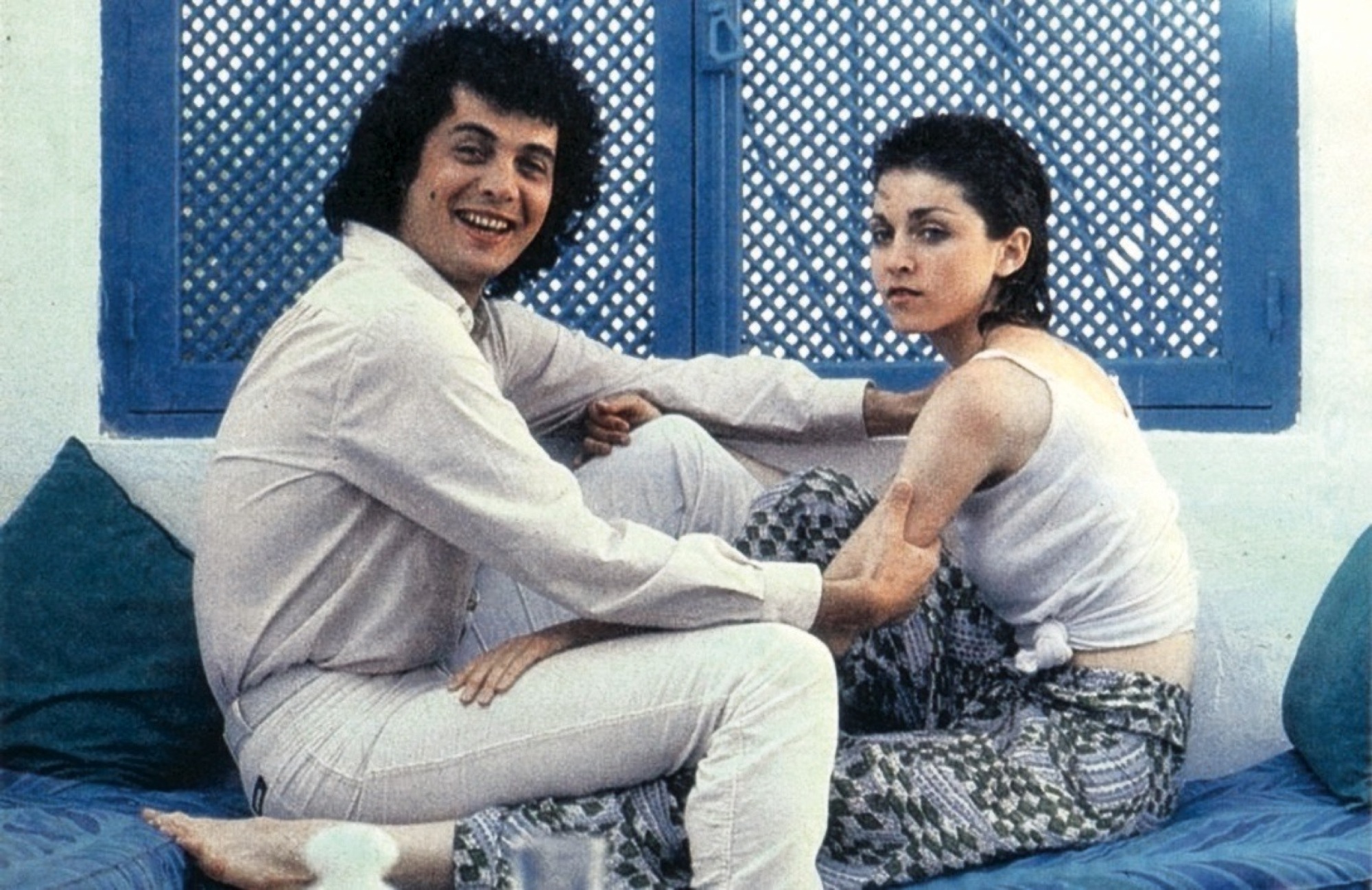
Cette chanson rapporte à l’artiste, aujourd’hui encore, 3000 euros de royalties par jour. A noter également que la célèbre chanteuse Madonna fait ses débuts avec l’artiste en tant que danseuse.
Patrick Hernandez
« Born to be alive »
1979: a disco song is on all the airwaves and will become a real international « hit ». It’s « Born to be alive ». His interpreter is a Frenchman: Patrick Hernandez.
Patrick, who was born on April 6, 1949 in Blanc-Mesnil, lived in Goussainville, rue Paul Langevin, in the 1960s. With his friends at the time, he discovered the Beatles and the Stones, and learned to play the guitar. The click…
This song earns the artist, even today, 3000 euros in royalties per day. Also note that the famous singer Madonna made her debut with the artist as a dancer.
Nous sommes allés beaucoup trop loin et, inexorablement, notre civilisation s’effondre. Par l’exercice de notre propre libre arbitre nous avons donné carte blanche aux entités qui signent en lettres de feu et de sang le contrat de notre propre extinction. L’abcès doit être crevé et le sera ; c’est inéluctable et sur le point de se produire. Cela se fera au prix de nombreuses vies, dans la souffrance et la puanteur fétide d’un champ jonché de chair en décomposition. Le coup d’envoi vient d’être lancé.
Dans le dessein de cette fin programmée, beaucoup ont été appelés mais peu seront choisis.
« In shadow »
In Shadow, un court métrage qui nous dépeint avec clairvoyance le monde dans lequel nous nous sombrons sans réagir !
Embarquez pour un voyage visionnaire à travers l’inconscient fragmenté de l’Occident et, avec courage, affrontez les ténèbres.
Merci à CBS Records.
Merci à Moby, Little idiot Records & Mute records.
P.S :
J’informe mes lecteurs que mes articles sont écrits de ma propre plume et sont rédigés sans avoir recours à une quelconque IA.
G.S Alias Mère Étienne
*** IN SHADOW ***
« The beginning of the end. »
There will be neither a savior nor a new prophet.
We have gone much too far, and our civilization is inexorably collapsing. Through the exercise of our own free will, we have given carte blanche to entities that are drafting the contract for our own extinction—in letters of fire and blood. The abscess must be lanced, and it will be; it is inevitable and about to happen. It will come at the cost of many lives, amidst suffering and the putrid stench of a field strewn with decaying flesh. The starting signal has just been given.
With this programmed end in view, many have been called, but few will be chosen.
In shadow
In Shadow, a short film that offers a clear-sighted depiction of the world into which we are sinking without taking any action!
Embark on a visionary journey through the fragmented unconscious of the West and, with courage, confront the darkness.
Many thanks to CBS Records.
Many thanks to Moby, Little idiot Records & Mute records.
P.S :
I would like to inform my readers that my articles are written in my own hand and composed without the use of any AI.
Michael Jackson & Moonwalk
inspiration, plagiat, ou hommage ?
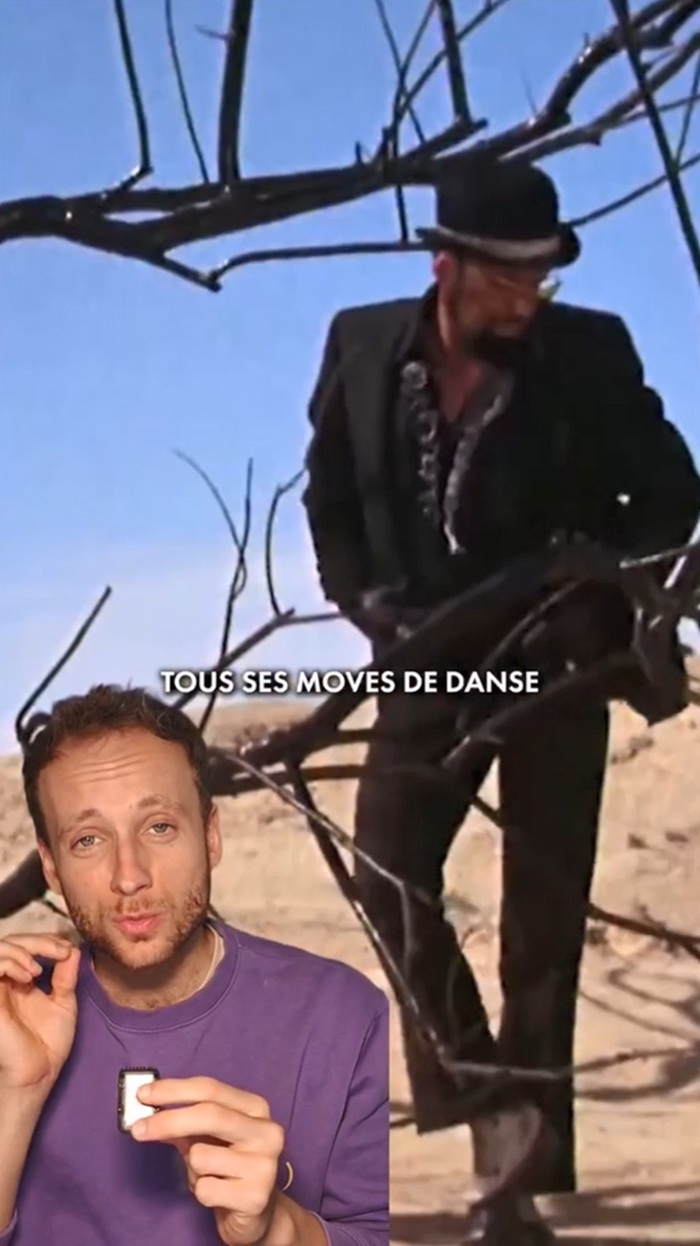
Dans cette séquence du film « Le petit prince » de Stanley Donen sorti en 1974, tu peux voir Bob Fosse, chorégraphe, réalisateur et danseur incontournable de Hollywood, dans le rôle du serpent, offrir une masterclass de danse incroyable. Sauf que quand tu vois ses moves, tu t’aperçois que Michael Jackson s’en est forcément inspiré pour ses propres chorégraphies, comme Billie Jean, en 1982.
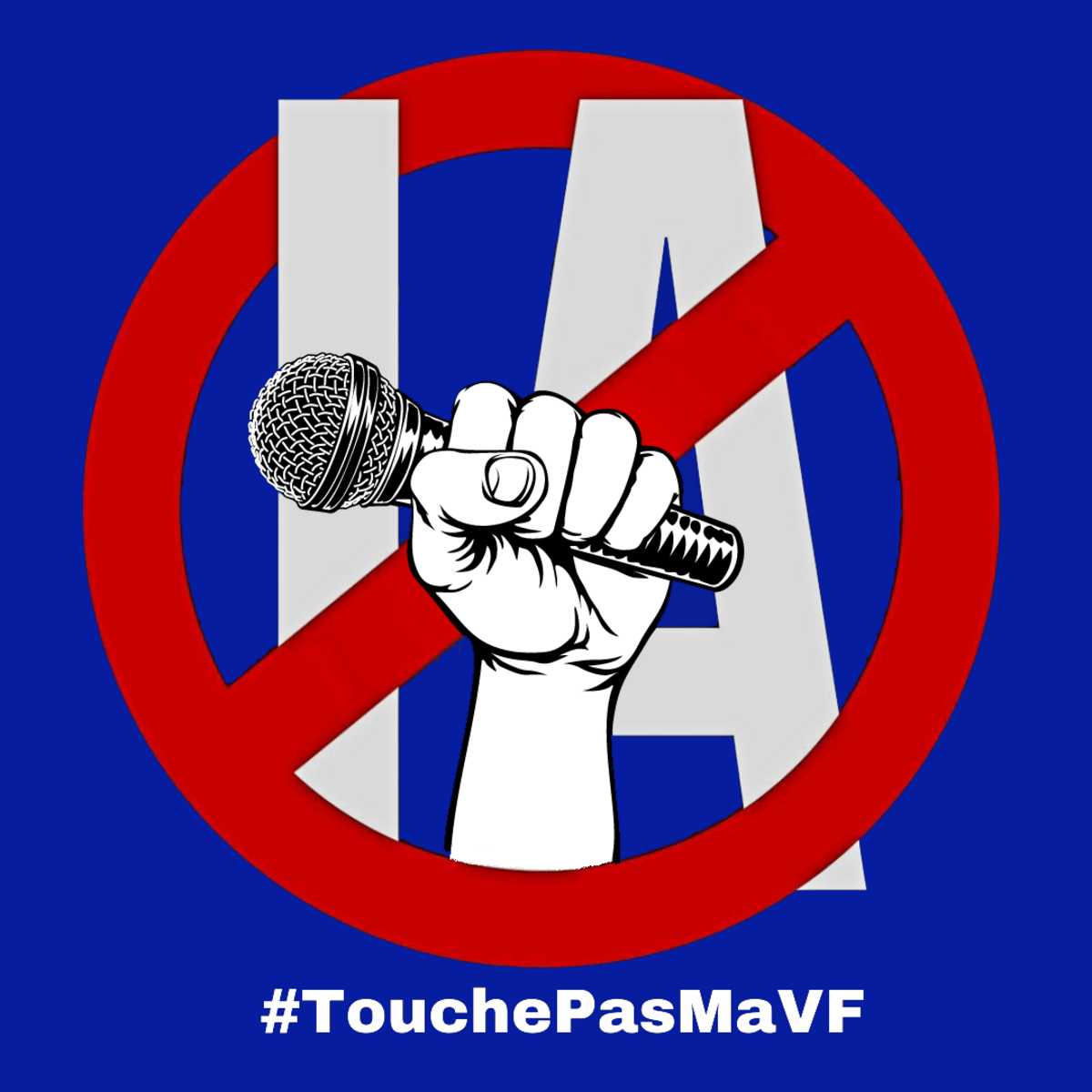
Aidez-nous à protéger nos voix
contre les abus de l’IA
Des comédiens et comédiennes de doublage français ont créé le mouvement et la pétition #TouchePasMaVF pour tenter de protéger leur emploi, et bien d’autres, face à l’IA.